Rental car handover
What to check when you pick up and return a rental car
Most rental disputes in Australia come down to two things: damage that wasn’t logged at pickup, and a return handover that was rushed. A careful ten minutes at each end of the hire protects your bond and your peace of mind.
At pickup
Read the insurance before you sign anything
Every rental agreement in Australia comes with a base level of cover, but the excess (the amount you pay before insurance kicks in) is often between $2,000 and $5,500. That is the number that hurts if something goes wrong, so it should be the first thing you look at, not the daily rate.
Ask the counter staff to point out three things on the contract: the damage excess, the single-vehicle accident clause, and any exclusions for tyres, windscreen, undercarriage or driving on unsealed roads. Unsealed-road exclusions matter a lot in Australia, plenty of popular routes in WA, the NT and outback QLD are gravel, and standard cover often walks away the moment you leave the bitumen. If you are planning trips beyond the city, whether that is a coastal drive or a weekend outside Perth with car hire in Perth confirm in writing where you’re allowed to take the vehicle.
You can either accept the standard excess, buy the operator’s excess reduction product, or bring your own third-party rental excess insurance from a provider like a travel insurer. Whichever route you choose, keep the paperwork on your phone.
Exterior inspection
Photograph every scratch, dent and scuff
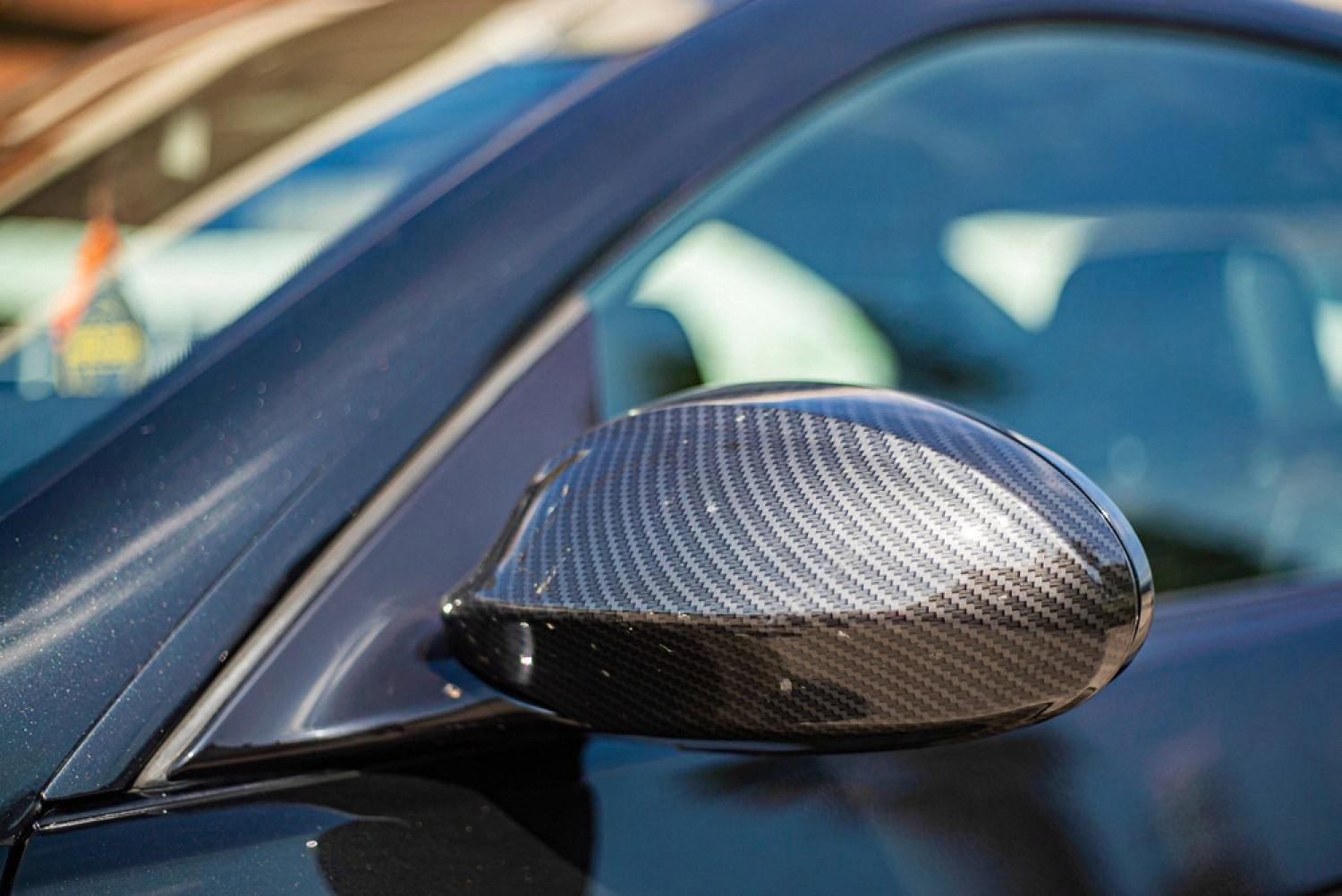
Walk around the car slowly with the staff member and log anything you see, even if it looks minor. Kerb rash on the wheels, a crack in the wing mirror housing, a chip in the windscreen, a dent in the tailgate: all of it needs to be on the damage diagram before you drive away.
- Take dated photos and short videos of all four corners, the roof and the underbody where you can see it.
- Shoot in daylight if possible, or under the forecourt lights with the flash on.
- Check tyre tread and sidewalls, plus the spare or repair kit in the boot.
- Note the fuel level and odometer reading against what the contract says.
Interior inspection
The cabin matters just as much
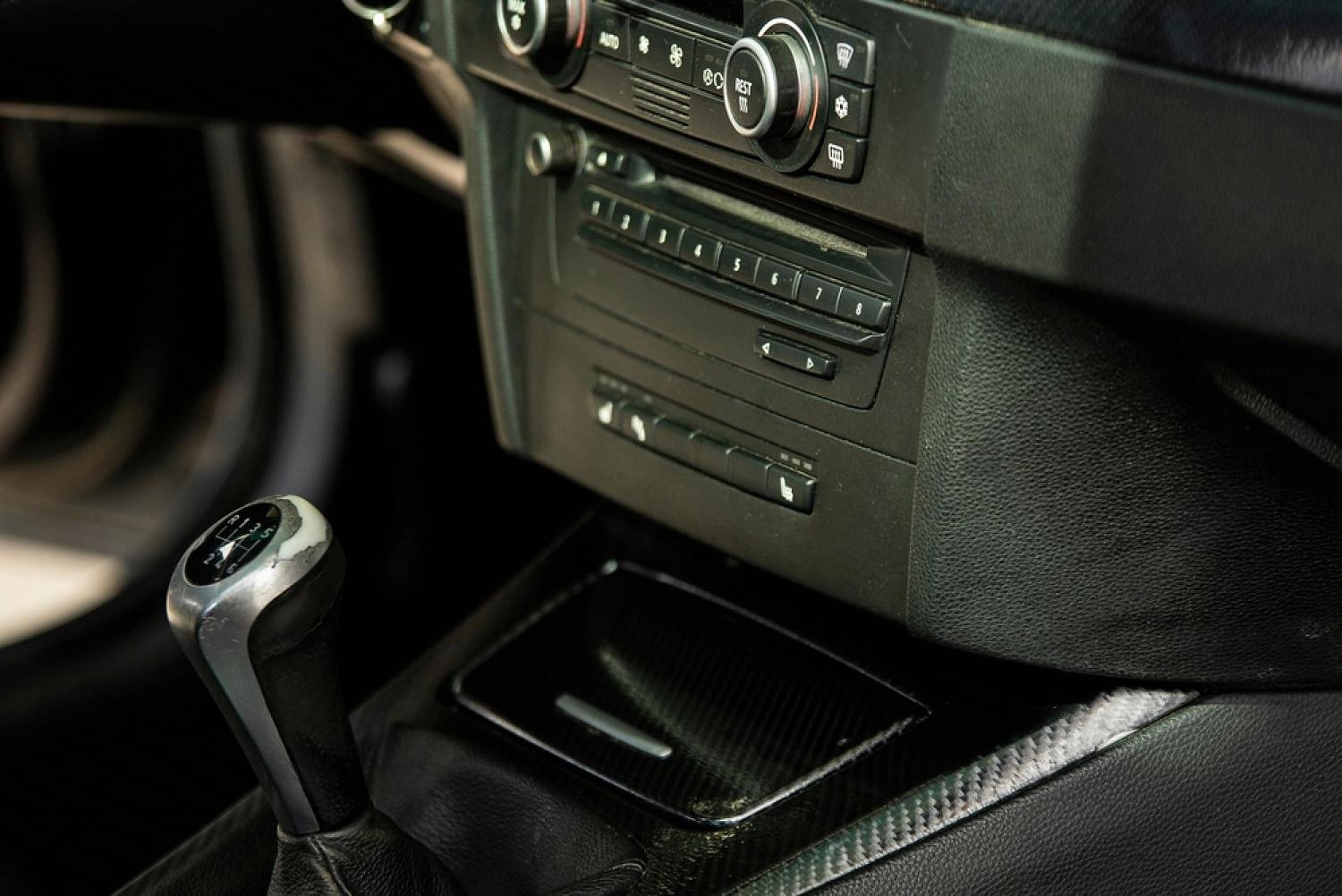
Damage inside the car is where a lot of surprise charges come from, because renters rarely check it. Torn upholstery, cigarette burns, stained carpets, a cracked infotainment screen or a missing boot cover can all end up on your final invoice if you didn’t flag them on day one.
Sit in the driver’s seat, then each passenger seat, and photograph the trim. Test the air conditioning, wipers, indicators, headlights and reverse camera before you leave the yard. If a warning light is already on, get that noted on the agreement, don’t assume it will be ignored later.
The five-point pickup checklist
- Read the excess and exclusions. Know the exact dollar figure you’re on the hook for and where you’re allowed to drive.
- Do a full walk-around with staff. Every existing mark goes on the damage sheet, no matter how small.
- Photograph and video everything. Timestamps and location data on your phone are your evidence.
- Check the interior, tyres and warning lights. Cabin damage and dashboard alerts are easy to miss.
- Confirm fuel level, odometer and return time. Match the contract to the car before you sign.
At return
Document the car in the same way you received it
The return is not the moment to relax. It is your last chance to prove the car came back in the condition you drove it. Rental companies in Australia can bill your card weeks after the hire ends if they claim to find damage, and disputes get harder to win the more time passes.
- Photograph the car again from the same angles you shot at pickup, ideally in daylight and before it is washed.
- Refuel to the level on the contract and keep the receipt. Prepaid fuel options often cost more than filling up yourself.
- Empty the cabin and boot and check the glovebox, sun visors and under the seats.
- Return during staffed hours if you can. After-hours drop-boxes leave you with no witness.
- Ask for a signed handover document confirming the vehicle was inspected and no new damage was found. This is the single most valuable piece of paper you’ll get.
Get the release in writing
If the branch is quiet, ask the attendant to inspect the car with you and print a return receipt that states the vehicle was returned without new damage and that the company has no further claim against you. Some operators call this a return certificate, others just email a closed-hire confirmation. Either way, save it.
If they can’t inspect on the spot, note that on your copy of the paperwork, take your own dated photos of the parked car with the keys visible, and email those photos to yourself so there’s a time-stamped record. Under Australian Consumer Law the rental company has to substantiate any charge it applies to your card, and your photos are usually enough to push back on unfair claims.
Frequently asked questions
Do I need to buy the rental company’s extra insurance in Australia?
Not necessarily. Every hire includes a base level of damage cover, but the excess is usually thousands of dollars. You can lower that by paying the rental company’s daily excess-reduction fee, or by buying standalone rental excess insurance from a third-party provider, which is often cheaper.
Whichever route you pick, read what’s excluded. Tyres, windscreens, single-vehicle accidents and unsealed roads are the most common gaps.
How many photos should I take at pickup?
Enough to cover every panel and the interior. As a rough guide: one photo of each corner, one of each side, one of the roof, one of the boot floor, one of the odometer and fuel gauge, and a short video walking around the whole car.
The goal is to make it impossible for anyone to claim damage that existed before you drove off.
What happens if I find damage the staff missed?
Point it out before you sign the agreement and ask them to add it to the damage diagram. If they refuse, photograph the damage next to the paperwork and email a copy to the branch immediately, so there’s a time-stamped record from before you left the yard.
Is it worth returning the car during opening hours?
Yes, whenever possible. A staffed return means the car is inspected in front of you and you can walk away with a written confirmation that there are no further claims. After-hours drop-offs leave the vehicle unsupervised, and any damage discovered later can be difficult to dispute.
What should I do about the fuel policy?
Most Australian rentals use a full-to-full policy: you receive it full and return it full. Refuel within a few kilometres of the return location and keep the receipt. If you’re on a prepaid fuel plan, you don’t need to refill, but you also won’t be refunded for unused fuel, so it usually only makes sense on very short hires.
Can the rental company charge my card after I’ve returned the car?
Yes, they can, and this is exactly why documentation matters. Operators can post charges days or weeks later for alleged damage, cleaning or traffic infringements. If you have dated pickup and return photos plus a signed handover, you have strong grounds to dispute any charge that appears without evidence.
Are scratches under a certain size ignored in Australia?
Some operators use a damage template with a minimum size (for example, scratches under 25 mm may be treated as fair wear and tear), but this varies by company and by vehicle age. Never assume a scratch is too small to matter, log it anyway. It costs nothing to record and can save you a repair invoice later.

Snowboarder, follower of Christ, music blogger, hand letterer and AIGA member. Acting at the crossroads of simplicity and sustainability to give life to your brand. Let’s chat.